Gardening Surbiton: Recycling and Sustainability in the Garden
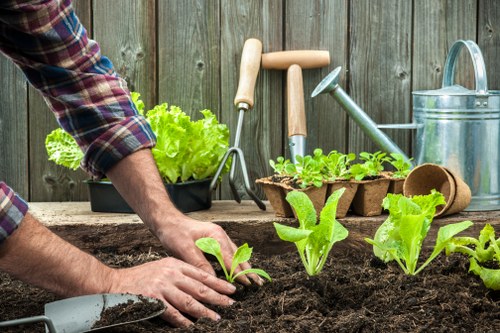 At Gardening Surbiton we make recycling and sustainability practical for every garden, border and communal green space. Our community-centred approach to an eco-friendly waste disposal area and a thriving sustainable rubbish gardening area brings local knowledge together with clear targets and low-carbon action. We focus on reducing landfill, maximising reuse, and supporting the borough's approach to household and garden waste separation.
Our ambition is measurable: we have set a clear recycling percentage target to keep momentum and transparency. The goal is to reach a 65% recycling rate for garden and associated household waste across the Surbiton catchment by 2028, progressing to 75% by 2035. This target covers compostable green waste, wood, paper and card from garden projects, and the dry recyclables that typically appear in allotment and landscaping operations.
 Working with local authorities and community groups we align with the borough's waste separation rules — such as separate collections for food/organic waste, dry recyclables, glass and garden refuse — to make sure materials collected from gardens enter the correct streams. Our sustainable gardening waste approach respects local sorting practices and integrates with transfer stations and civic systems to avoid contamination and raise overall recycling quality.
Local transfer stations and the route to reuse
Gardening Surbiton coordinates collections and drop-offs to nearby transfer stations, processing hubs and community composting sites. These local transfer stations in the Kingston and neighbouring borough networks are essential for an efficient recycling & sustainability loop: green waste is bulked and moved to anaerobic digestion or composting facilities, while wood and inert material are sent to appropriate reprocessing centres.
 We work proactively with transfer facilities to minimise double-handling and reduce vehicle mileage, which supports both the low-carbon promise of our service and the quality of the output material. By directing sorted garden waste to specialist outlets we avoid downcycling and encourage high-grade compost and mulch that feed back into local soils.
Partnerships are key: we partner with local charities, community groups and re-use organisations to ensure that still-useful items and surplus materials are diverted from the waste stream. These collaborative relationships form the backbone of our sustainable rubbish gardening area initiatives, helping redistribute items such as planters, seeds, tools and soil improvers.
Charity partnerships, community projects and reuse
Our alliances include allotment societies, local volunteer groups and neighbourhood charities focused on resource sharing and social value. Through these partnerships we promote redistribution of useful objects and organic matter to those who can make the most of them — for instance:
- Tool libraries and loan schemes for community gardeners
- Seed and plant exchanges to reduce new purchases
- Donation routes to local charities for reusable containers and raised beds
These actions help create an eco-friendly waste disposal area that goes beyond disposal to genuine circular-economy outcomes. Reuse, repair and shared ownership cut the need for new production, reduce embodied carbon and strengthen neighbourhood resilience.
To support local reuse, Gardening Surbiton organises scheduled drop-offs, community swap days and coordinated collections that link directly with charity partners. The aim is not only to keep materials out of landfill but also to provide affordable resources for budding gardeners and community projects.
Transport and logistics are central to our low-impact model. Our fleet features low-carbon vans, primarily electric and hybrid vehicles, for local pickups and deliveries. Route planning is optimised to consolidate stops and reduce mileage, and we continuously explore further reductions including electric trailers and charging infrastructure at community hubs to support a truly sustainable gardening waste service.
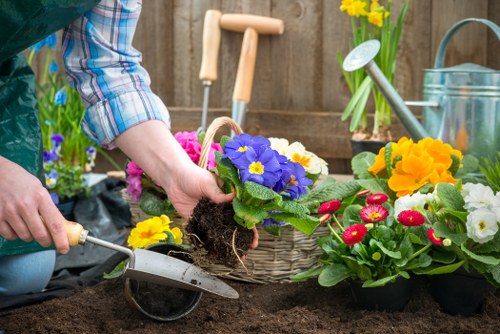 Monitoring and reporting underpin progress: we publish periodic breakdowns of materials diverted, contamination rates and the percentage of garden waste reused or composted. These metrics are aligned with the borough's wider waste reduction targets so residents can see how garden-level action contributes to municipal aims and our own recycling percentage target.
 In short, Gardening Surbiton combines practical operations — from an organised sustainable rubbish gardening area and local transfer station coordination to charity partnerships and a low-carbon collection fleet — to deliver a comprehensive recycling & sustainability programme. By meeting our targets, encouraging reuse and following the borough's separation schemes, we keep gardens productive, neighbourhoods greener and carbon footprints smaller.