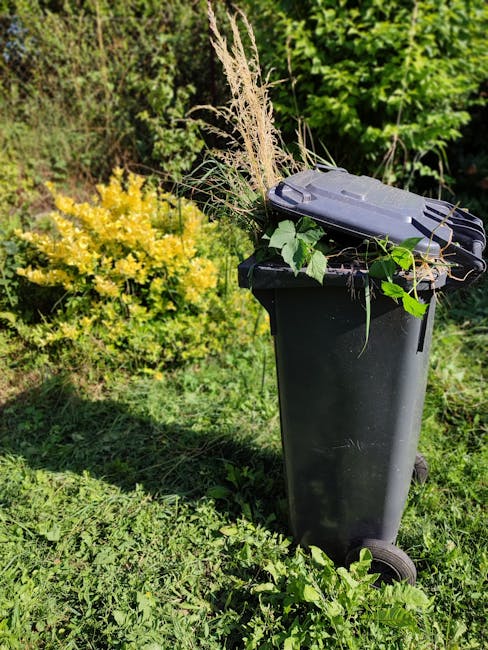
What to know about Kingston Council garden waste rules
If you are sorting out a garden tidy-up in Kingston, the rules around green waste can feel oddly fiddly at first. One minute you are clearing grass cuttings and hedge trimmings; the next, you are wondering whether branch piles, soil, or an old plant pot belong in the same load. That is exactly why What to know about Kingston Council garden waste rules matters. Get it wrong and you can end up with a rejected collection, extra disposal costs, or a heap of mixed waste you now have to sort out on a damp Sunday afternoon. Not ideal, really.
This guide explains the practical side in plain English: what garden waste usually means, how council collection rules tend to work, what households should double-check, and when it makes more sense to arrange help through a professional service such as garden clearance or recycling and sustainability support. You will also find a step-by-step checklist, common mistakes, and a realistic example from everyday garden work in a typical Kingston home.
Quick takeaway: treat garden waste as its own waste stream, keep it free from contamination, and check Kingston Council's current collection rules before you put anything out. That small bit of care saves time, money, and a lot of back-and-forth.
Table of Contents
- Why What to know about Kingston Council garden waste rules Matters
- How What to know about Kingston Council garden waste rules Works
- Key Benefits and Practical Advantages
- Who This Is For and When It Makes Sense
- Step-by-Step Guidance
- Expert Tips for Better Results
- Common Mistakes to Avoid
- Tools, Resources and Recommendations
- Law, Compliance, Standards, or Best Practice
- Options, Methods, or Comparison Table
- Case Study or Real-World Example
- Practical Checklist
- Conclusion
- Frequently Asked Questions
Why What to know about Kingston Council garden waste rules Matters
Garden waste is one of those things that looks simple until you are standing over three bags, a broken trug, and half a pile of prunings wondering what counts as what. In Kingston, as in most London boroughs, the council wants waste presented in the right way so it can be collected efficiently and processed properly. That is good for the system, and good for you too.
Why does it matter so much? Because garden waste collections are usually separate from general household rubbish. They are designed for biodegradable material that can often be composted or otherwise treated differently from mixed waste. If the wrong items are included, the whole load may be rejected. That can mean missed pickups, extra handling, or even the need to re-sort everything by hand. Nobody wants that.
There is also the practical side. If you are keeping a garden tidy through the growing season, you may produce regular cuttings from lawn mowing, hedge trimming, and seasonal pruning. When those tasks build up, understanding the rules helps you plan the job properly instead of treating every clear-up like a last-minute scramble. A little forethought goes a long way, honestly.
For homeowners, landlords, and even people managing shared outdoor spaces, knowing the rules means fewer surprises when the garden suddenly fills with clippings after a windy weekend or a burst of spring growth. And for people running regular upkeep, it helps align your disposal method with the actual type of work being done. A lawn trim is not the same as a full garden overhaul, and the waste profile changes fast.
How What to know about Kingston Council garden waste rules Works
Most council garden waste systems in the UK follow a similar logic: keep compostable green material separate, present it in the approved container or format, and avoid adding anything that contaminates the load. Kingston Council's exact arrangement, including whether there is a subscription service, specific collection days, size limits, or permitted containers, should always be checked against the current council guidance. Rules do change. More often than people expect, to be fair.
In practice, the process usually looks something like this:
- You separate garden waste from household rubbish and recycling.
- You remove contamination such as soil, stones, plastic ties, metal plant supports, and general waste.
- You place only accepted green waste into the correct bin, sack, or approved container.
- You put the container out on the right collection day, at the right location, and in the right condition.
- You avoid overfilling so the lid can close properly and crews can handle it safely.
The important part is the separation. A council collection system is not a general garden skip. It is usually meant for the sort of material that breaks down naturally: grass cuttings, leaves, hedge clippings, weeds, small twigs, and similar organic matter. That means anything else must be removed first. If your pile includes old compost bags, pots, broken fencing, or clumps of mud, stop and sort it before putting it out.
If your project is larger than a routine trim, it may be more practical to use a professional clearance service. For bigger seasonal jobs, many households pair routine maintenance with garden maintenance or a one-off services overview to keep the site tidy without relying entirely on council collections. That is especially useful after a long wet spell when the garden seems to breed debris overnight.
Key Benefits and Practical Advantages
Following Kingston Council garden waste rules is not just about compliance. It brings a few very real benefits, especially if you do outdoor work regularly or have a larger garden.
- Fewer rejected collections: correct sorting means fewer problems on the day.
- Cleaner recycling streams: green waste stays separate from general rubbish.
- Lower hassle: you spend less time re-bagging or rechecking what can go out.
- Better garden planning: you can time trimming and clearance work around collection days.
- Safer handling: fewer heavy mixed bags and fewer sharp contaminants lying around.
There is also a subtle but important benefit: it changes how you work. If you know the rules in advance, you prune differently, stage waste differently, and keep the job tidy as you go. That sounds small. It really is not. In a back garden with limited access, a neat workflow can save a surprising amount of lifting and double-handling.
For people with regular upkeep needs, the best results often come from combining routine outdoor care with targeted jobs like lawn mowing and hedge trimming. That way, the waste you create is easier to classify and dispose of properly.
Who This Is For and When It Makes Sense
Pretty much anyone with a garden in Kingston can benefit from understanding the rules, but some people need this information more urgently than others.
- Homeowners: especially if you do your own mowing, pruning, and seasonal tidy-ups.
- Landlords and letting agents: useful when checking end-of-tenancy garden condition and waste disposal expectations.
- Households with larger plots: more growth means more waste, simple as that.
- Busy families: garden tasks often pile up, then all need dealing with in one go.
- Older residents or people with limited time: easier to plan one clear method rather than wrestling with repeated trips.
It also makes sense if you are about to carry out any heavier outdoor work. For example, if you are replacing part of a border, cutting back shrubs, or clearing overgrown corners behind a shed, you may create more waste than the council bin can comfortably take. In those cases, a broader clearance approach is often more realistic. A one-off job can quickly become a mini project, and you know what? It sneaks up on people.
If the work involves branches, woody cuttings, or awkward access through side passages, a professional team can help you choose the cleaner route. Services like tree lopping and removal or garden clearance can be more suitable than trying to squeeze everything into a standard collection. That does not mean you need them every time. It just means they are worth considering when the job grows beyond a routine tidy.
Step-by-Step Guidance
If you want to stay on the right side of council rules without overthinking it, use this simple process. It is the kind of method that works on a wet Wednesday when you just want the bags done and the kettle on.
1. Separate garden waste from everything else
Start with the basics. Put grass cuttings, leaves, weeds, and prunings in one place, and keep plastics, pots, strings, stones, and household rubbish away from it. Do not mix in kitchen waste unless the council explicitly allows it in a separate food waste system.
2. Remove contamination
Shake off excess soil, remove plant ties, and take out any broken garden items. A little dirt on roots is one thing. Heavy soil-filled clods are another. Council systems tend to be much less forgiving than people think.
3. Check container limits and presentation rules
Some councils require specific bins or sacks, and there may be limits on how much you can present in one go. Check whether lids must close, whether extra bags are allowed beside the bin, and whether loose waste is accepted at the kerb. These small details matter. They really do.
4. Time your clear-up
Try to align pruning and mowing with collection days so waste does not sit around for too long. In warmer weather it can smell a bit sour, and in wet weather it gets heavier and more awkward. Early planning reduces that mess.
5. Decide whether the job is council-sized or clearance-sized
A few bags after hedge trimming is one thing. A full border reset or major cutback is something else entirely. If the job looks too big for the usual routine, use a more suitable disposal route. That is often where professional help pays off.
6. Keep a record of what you dispose of
This is especially useful for landlords, gardeners managing multiple properties, and anyone commissioning a larger service. A simple note of dates, waste type, and quantity can help when you need to show that the garden was left tidy and responsibly handled.
Expert Tips for Better Results
Here are the small things that make the biggest difference, and they are easy to overlook if you have only ever done garden clearance once or twice.
- Cut waste down to manageable lengths. Shorter branches and lighter bundles are easier to handle and less likely to cause problems.
- Let wet cuttings drain a little. Fresh grass and soggy leaves can be much heavier than they look. A short pause before bagging helps.
- Use separate piles for different materials. One for clippings, one for woody debris, one for non-organic bits to remove later.
- Be honest about volume. If the heap has grown beyond the bin, say so early and choose a better disposal method.
- Work in stages for big jobs. A garden clearance done in layers is less stressful than a single all-day rush.
Another useful habit is to pair waste removal with the actual maintenance task. If you are already doing routine garden maintenance, clear as you go. It keeps the lawn tidy, reduces the final load, and stops the garden from looking like a crime scene after pruning. Mildly dramatic, yes, but you get the point.
One more thing: if your garden has a lot of mature growth, think about the next three months, not just today. Spring and early summer can produce repeated clippings. A bit of forward planning means you are not stuck with the same problem every collection cycle.
Common Mistakes to Avoid
Most garden waste problems come from a handful of recurring errors. They are simple mistakes, but they cause most of the avoidable frustration.
- Mixing garden waste with general waste. This is the biggest one. It can make the whole load non-compliant.
- Including soil, rubble, or stones. These are usually treated differently from green waste.
- Overfilling containers. If the lid cannot close, or bags are bursting, the collection may not be accepted.
- Leaving waste out on the wrong day. Missed timing can mean missed collection.
- Assuming all councils work the same way. They do not. Not even close.
- Forgetting about woody material. Some small twigs may be fine; bigger branches may need a different approach.
There is also a sneaky mistake people make after a garden tidy: they forget to factor in what happens to the waste after collection. If you have pruned a small tree, cleared ivy, and cut a hedge all in one day, you may be looking at far more material than expected. That is where a service like garden clearance can prevent the classic mistake of buying ten bags and still ending up short. Been there, or at least seen it enough times.
Tools, Resources and Recommendations
You do not need fancy equipment to follow the rules well. You just need the right basics and a sensible way of working.
| Tool or resource | Why it helps | Best for |
|---|---|---|
| Sturdy garden sacks or bins | Keep waste contained and easier to sort | Grass cuttings, leaves, weeds |
| Rake and hand fork | Helps collect small debris without lifting everything by hand | Final tidy-ups |
| Secateurs and loppers | Cut branches down into manageable pieces | Pruning and hedge work |
| Tarp or old sheet | Makes it easier to move waste to the collection point | Large clear-outs |
| Professional clearance service | Useful when the volume or access is awkward | Big one-off jobs |
For people balancing recurring outdoor work, a good blend of services can make life easier. A regular lawn mowing schedule, occasional hedge trimming, and occasional clearance tends to keep the waste manageable. In other words, do a little often rather than a lot all at once. Your future self will thank you. Probably quietly, but still.
If you are comparing options for a bigger tidy-up, you may also want to think about whether the work is purely waste removal or part of a wider outdoor project. Sometimes a job is really about setting up the garden properly for the season, which brings in landscape gardening or even broader landscaping considerations. The waste rules then become one part of the wider plan, not the whole story.
Law, Compliance, Standards, or Best Practice
It is sensible to treat garden waste rules as a compliance issue, even if the day-to-day experience feels simple. In the UK, waste should be handled responsibly, and councils typically set out specific requirements for collection, segregation, and presentation. The exact Kingston Council rules may cover what can be included, how it must be contained, when it must be put out, and what happens if it is contaminated or overfilled.
The safest approach is straightforward:
- Keep garden waste separate from general waste.
- Follow Kingston Council's current instructions exactly.
- Do not assume the rules from another borough apply here.
- Use a licensed and reputable service for larger clearances.
- Keep the site safe while work is being done, especially where tools, heavy bags, or slippery surfaces are involved.
Best practice is not just about avoiding penalties or rejected bins. It is about reducing nuisance, keeping shared spaces tidy, and handling waste in a way that fits normal UK environmental expectations. That is one reason many people prefer a planned approach for garden work rather than a rushed one. If your project involves higher-risk tasks, it also makes sense to look at health and safety policy and insurance and safety information before booking a service provider.
One careful note: if you are ever unsure whether something counts as garden waste, treat it as questionable until you have checked. A wrong assumption about a bag of mixed waste can be annoying; a wrong assumption about a bulky load can be expensive. Better to pause for ten minutes than to spend the next hour untangling a mistake.
Options, Methods, or Comparison Table
There is no single best way to deal with garden waste in Kingston. The right choice depends on volume, time, access, and how much of the work you are doing yourself. Here is a practical comparison.
| Method | Best for | Pros | Limitations |
|---|---|---|---|
| Council garden waste collection | Regular small-to-medium green waste | Convenient, routine, usually low effort | Must follow council rules closely; may not suit bulky jobs |
| DIY bagging and tip run | One-off jobs with manageable volume | Full control over timing and sorting | Time-consuming, lifting required, access to disposal point needed |
| Professional garden clearance | Large, awkward, or mixed outdoor clear-ups | Fast, less manual effort, useful for big volumes | Costs more than a standard collection |
| Ongoing garden maintenance service | Busy households or regular upkeep | Prevents waste build-up, keeps things neat | Requires regular scheduling |
For many households, the best answer is actually a mix: council collection for routine waste, then a professional service when the job gets too large or too untidy. That balance is often the most sensible and, in the long run, the least stressful.
Case Study or Real-World Example
Imagine a typical Kingston semi with a small front garden and a surprisingly enthusiastic back border. After a few weeks of spring growth, the homeowner does a Saturday tidy-up: lawn cuttings, a few bags of weeds, hedge trimmings, and a pile of thin branches from a shrub that got a bit too confident.
At first glance, it looks like all of it could go into the garden bin. Then the pile grows. One bag turns into three. The branches are too awkward, the roots still carry soil, and there is a broken plant pot mixed in at the bottom. That is the moment when a careful sort saves the day.
They separate the clean green waste, remove the pot shards, shake off the heavier soil, and keep the woody material in a separate pile. The smaller clippings go through the usual route. The larger, messier remainder gets dealt with through a one-off clearance. The garden looks finished rather than half-done, and the homeowner avoids trying to cram everything into a single container that was never really going to cope. Simple in hindsight, but that is how it usually goes.
If the garden had been a bit more overgrown, they may have called in help sooner, especially if access down the side return was tight. In that kind of situation, a team handling tree lopping and removal or a broader tidy-up would have saved time and reduced the mess at the back door.
Practical Checklist
Use this checklist before putting anything out for collection or booking a clearance.
- Have I separated garden waste from general rubbish?
- Have I removed plastic, metal, pots, rubble, and other contamination?
- Are the bags or bins within the council's permitted size and weight limits?
- Can the container close properly?
- Is the waste set out on the correct day and in the correct place?
- Do I have branches or bulky items that need a different disposal plan?
- Would a professional clearance service be easier for this amount of waste?
- Have I checked Kingston Council's current rules before the collection date?
If you can tick most of those off, you are usually in good shape. If not, pause and sort the pile properly before it becomes a problem. A ten-minute reset now can save a very annoying collection miss later.
Get a free quote today and see how much you can save.
Conclusion
The main thing to remember about Kingston Council garden waste rules is that they are designed to keep green waste clean, separate, and easy to process. Once you understand that principle, the rest becomes much easier. Separate the right materials, avoid contamination, follow the council's current collection instructions, and do not force a small bin to handle a job it was never built for.
For regular maintenance, council collection may be all you need. For bigger clear-outs, awkward access, or overgrown gardens, a professional service can save time and reduce hassle. Either way, the goal is the same: keep the garden manageable and the waste under control without turning the whole thing into a weekend ordeal.
And really, that is the quiet win here. A tidy garden, a proper disposal plan, and one less thing hanging over you next week. Not bad for a bit of green waste sorting.
Frequently Asked Questions
What counts as garden waste for Kingston Council collections?
Garden waste usually means biodegradable outdoor material such as grass cuttings, hedge trimmings, leaves, weeds, and small prunings. Anything non-organic, heavily soiled, or mixed with household rubbish should be kept out unless the council specifically says otherwise.
Can I put soil in my garden waste bin?
Usually no, or at least not in any meaningful amount. Soil, rubble, and stones are commonly treated differently from green waste. A little dirt on roots may be tolerated in some systems, but heavy soil contamination is typically a problem.
Do branches count as garden waste?
Small branches and twigs often do, but larger woody material may be restricted by size or quantity. If the branches are bulky, awkward, or too much for the container, a clearance service may be the better option.
What happens if my garden waste is contaminated?
Collections may be refused or left unemptied if the waste contains plastic, rubble, food waste, pots, or other unsuitable materials. That means you will need to re-sort it and arrange a new collection or alternative disposal method.
How can I make sure I follow the current Kingston Council rules?
Check the council's latest guidance before collection day. Rules can change, especially around container use, accepted materials, and presentation requirements. It is worth a quick check rather than relying on old habits.
Is it better to use council collection or a private clearance service?
It depends on the size of the job. Council collection is often fine for routine green waste. A private clearance service makes more sense for large, mixed, heavy, or awkward jobs where the bin is likely to fall short.
Can I mix hedge trimmings and lawn clippings together?
Yes, as long as both are accepted garden waste and the mix stays free from contamination. In fact, many households collect them together during routine upkeep. Just keep an eye on volume and weight.
What should I do with plant pots, old compost bags, and ties?
These should usually be removed from garden waste and disposed of separately according to the material type. Plastic pots, string, and ties are not the same as green waste, even if they sat in the border for months.
How do I manage a big seasonal garden tidy-up?
Break the job into stages, separate materials as you go, and decide early whether the volume is likely to exceed what council collection can handle. For bigger jobs, pairing routine care with garden maintenance and clearance support is often the least stressful route.
Can garden waste be left out loose rather than in bags or a bin?
That depends on Kingston Council's current collection rules. Some services require containers, while others may allow certain presentation methods. Do not assume loose waste will be accepted unless the guidance clearly says so.
What is the easiest way to avoid rejected garden waste?
Keep it simple: separate green waste carefully, remove non-organic items, avoid overfilling, and check the latest council instructions. Most rejected collections happen because one of those basics was missed. Nothing glamorous, just the basics.
When should I book professional help instead of doing it myself?
If the garden is overgrown, the waste is bulky, access is awkward, or you are short on time, professional help can be the more practical choice. It is especially useful after major trimming, seasonal clear-outs, or when you want the job finished properly in one go.